
Jan 05, 2026
World Bank reveals main challenges regarding foreign direct investment in Azerbaijan
The World Bank has announced the main challenges related to foreign direct investment in Azerbaijan, APA-Economics reports.
The World Bank has found that the spillover effect of foreign direct investment (FDI) into other sectors of economy is limited in Azerbaijan.
According to the Bank’s report, in resource-rich countries of the Europe and Central Asia (ECA) region, including Azerbaijan, foreign direct investment is mainly directed to the oil, gas, and mining sectors. While these investments contribute to the adoption of advanced extraction technologies and increased state revenues, the enclave nature of the mentioned sectors limits the transfer of technology and productivity to other sectors of the economy.
According to the World Bank’s assessment, such an investment model has a weak impact on the formation of local supplier networks and, as a result, does not ensure broad-based productivity growth in the non-oil sector. In this regard, the report groups Azerbaijan together with Kazakhstan and Russia.
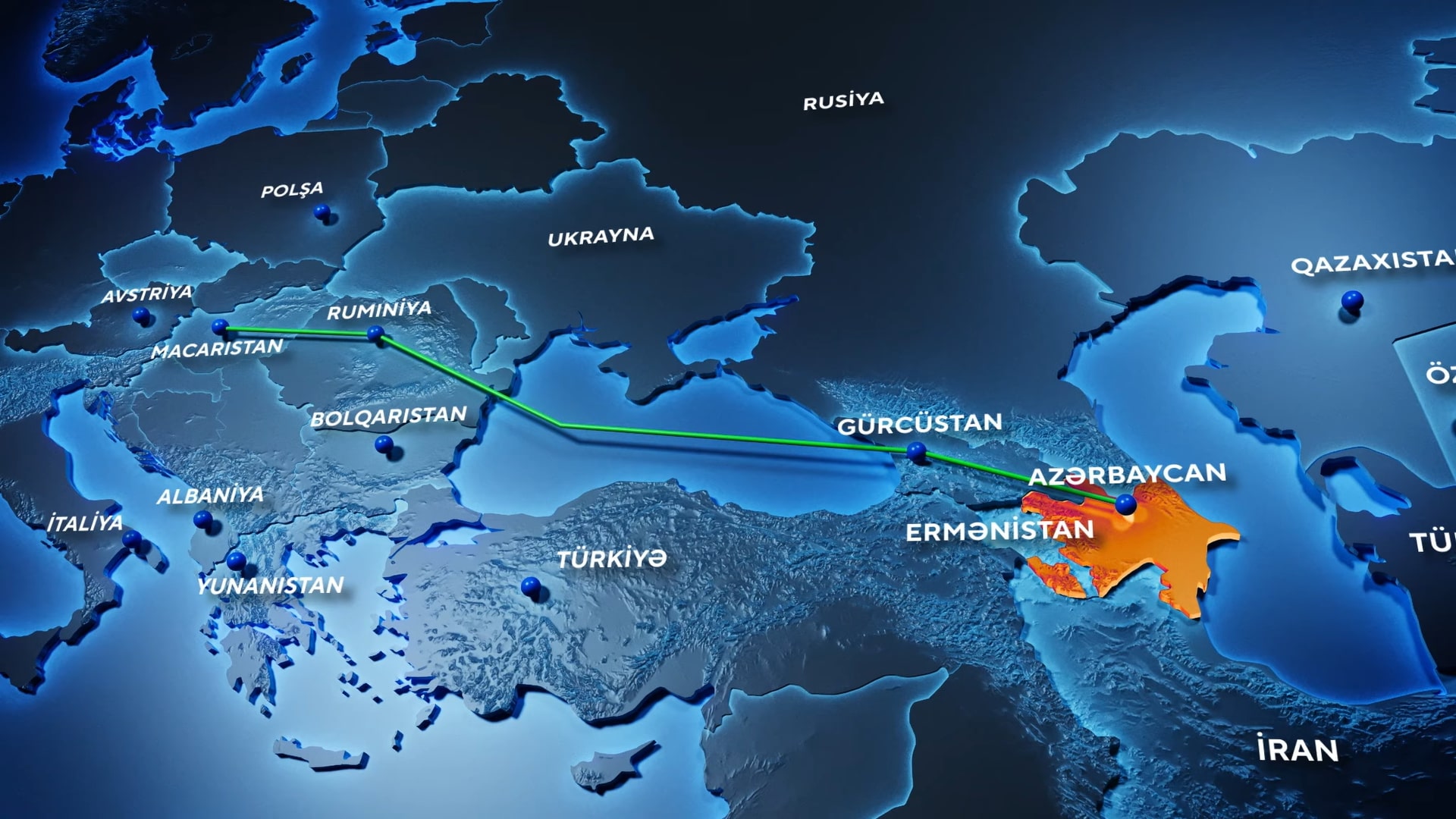
For comparison, it is noted that in Central European countries (Hungary, Romania, and Slovakia), foreign direct investment directed to the manufacturing sector has over time led to the emergence of local supplier networks producing automotive and electronics components and has generated a stronger economic spillover effect. In Southeast Europe and the Western Balkans, these effects have been uneven.
The World Bank emphasizes that the positive spillover of foreign direct investment into the economy is not an automatic process and depends on the technological capabilities of local firms, the institutional environment, and the sectoral allocation of investments. According to the report, directing investments toward manufacturing and processing industries, as well as enhancing the absorptive capacity of local businesses are considered essential conditions for strengthening spillover effects.